


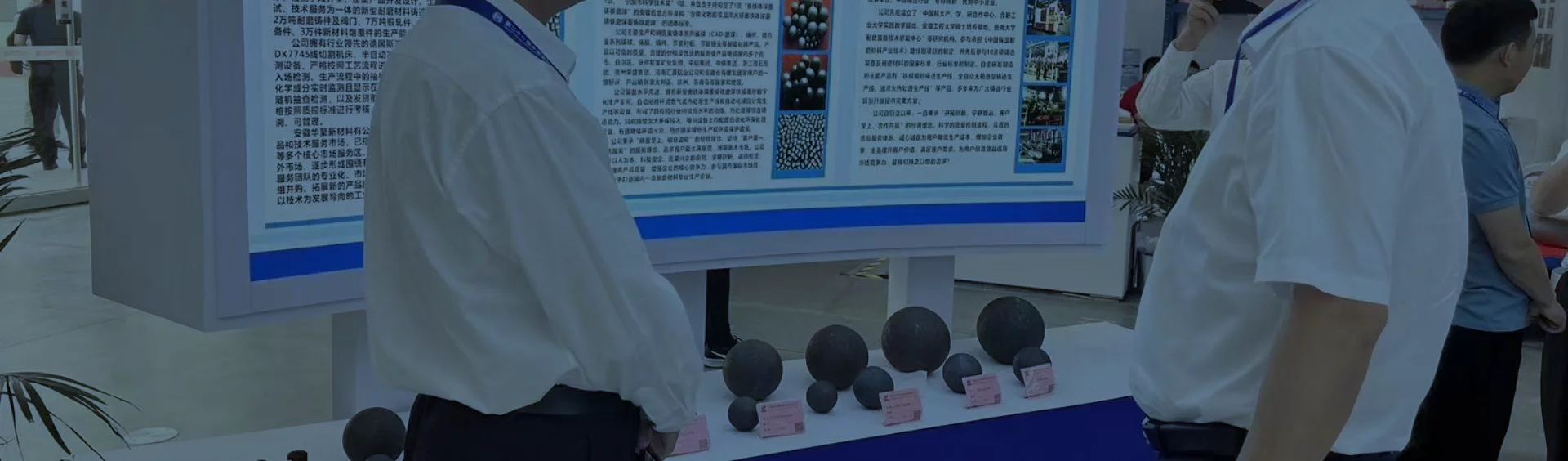
In mineral processing, cement production, and thermal power plants, the performance of a grinding media ball often determines how efficiently a mill operates. While liner and mill design matter, the quality of the steel balls inside the drum directly affects grinding efficiency, energy consumption, and overall production cost.
A high-quality grinding media ball must balance hardness and toughness. If the ball is too soft, it wears quickly and increases consumption. If it is too brittle, it may crack or break under impact. That’s why many industrial buyers are turning to wholesale alloyed ball solutions designed with controlled chemical composition and optimized heat treatment.
Alloyed grinding balls typically contain elements such as chromium, manganese, or molybdenum to enhance wear resistance and impact strength. Compared with traditional cast iron balls, alloyed steel grinding balls offer longer service life and more stable performance, especially in large ball mills processing hard ores like iron ore, copper ore, or gold ore.
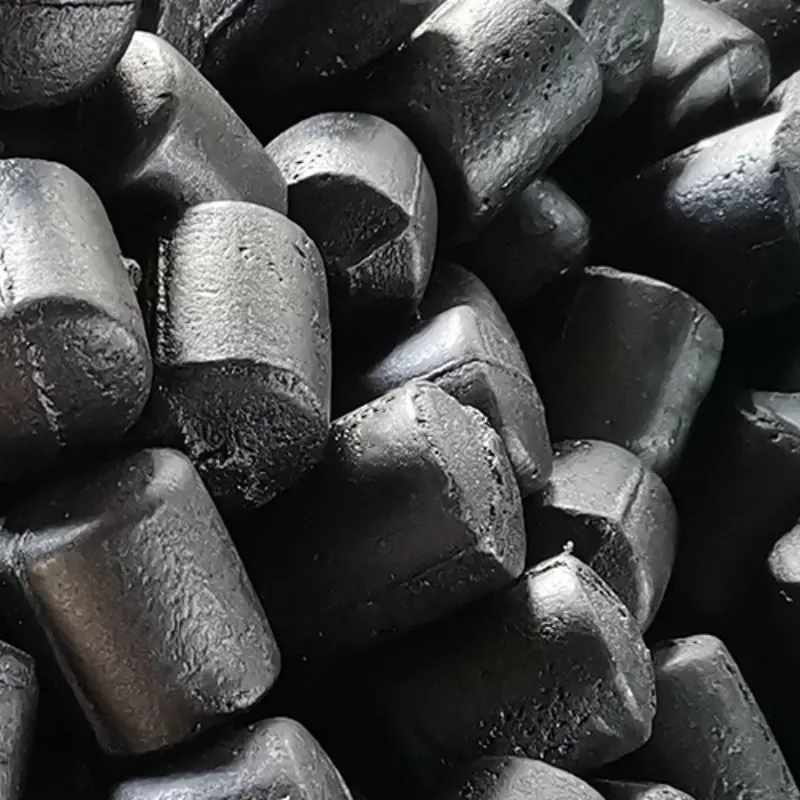
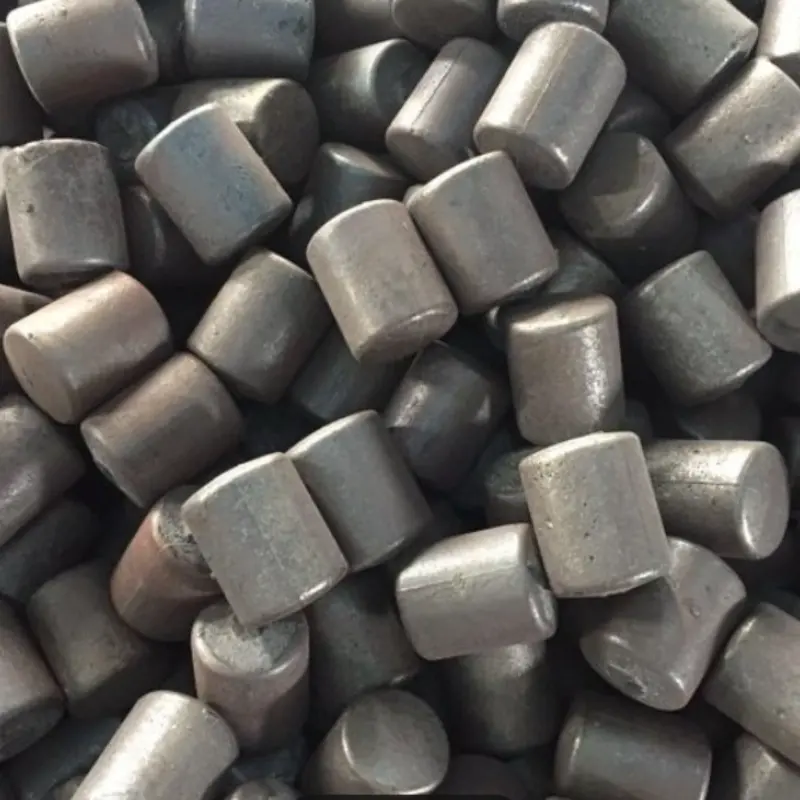
Another key factor is consistency. In large-scale operations, variations in diameter, hardness, or internal structure can cause uneven wear inside the mill. Sourcing grinding media balls from experienced manufacturers helps ensure batch stability and predictable performance. For distributors and plant managers, purchasing wholesale alloyed balls in bulk not only reduces procurement cost but also ensures supply continuity during peak production seasons.
In practical terms, industries such as cement clinker grinding, mining ball milling, and coal pulverizing require different specifications. For example, high chrome alloy grinding balls are commonly preferred in abrasive environments due to their superior wear resistance. Forged alloy steel balls, on the other hand, are often selected for higher impact applications.
Ningguo Huafeng, as a professional manufacturer in the grinding media industry, focuses on alloyed ball production with strict quality control from raw material selection to final inspection. With stable hardness distribution and reliable impact value, their products are widely used in mining and cement sectors worldwide.
When evaluating grinding media suppliers, buyers should look beyond price alone. Total cost per ton of material ground, ball consumption rate, and downtime reduction all contribute to the real value of a high-performance grinding media ball.
FAQ
Q1: What is the difference between cast and forged grinding media balls?
Cast balls are produced by casting molten metal into molds, while forged balls are formed by forging heated steel billets. Forged balls generally offer better impact resistance, while high chrome cast balls provide strong wear resistance in abrasive conditions.
Q2: How do I choose the right size grinding media ball?
Ball size depends on mill diameter, feed size, and material hardness. Larger balls are used for coarse grinding, while smaller balls are suitable for fine grinding stages.
Q3: Why consider wholesale alloyed ball purchasing?
Wholesale purchasing reduces unit cost, ensures consistent batch quality, and helps maintain stable inventory for continuous industrial production.