


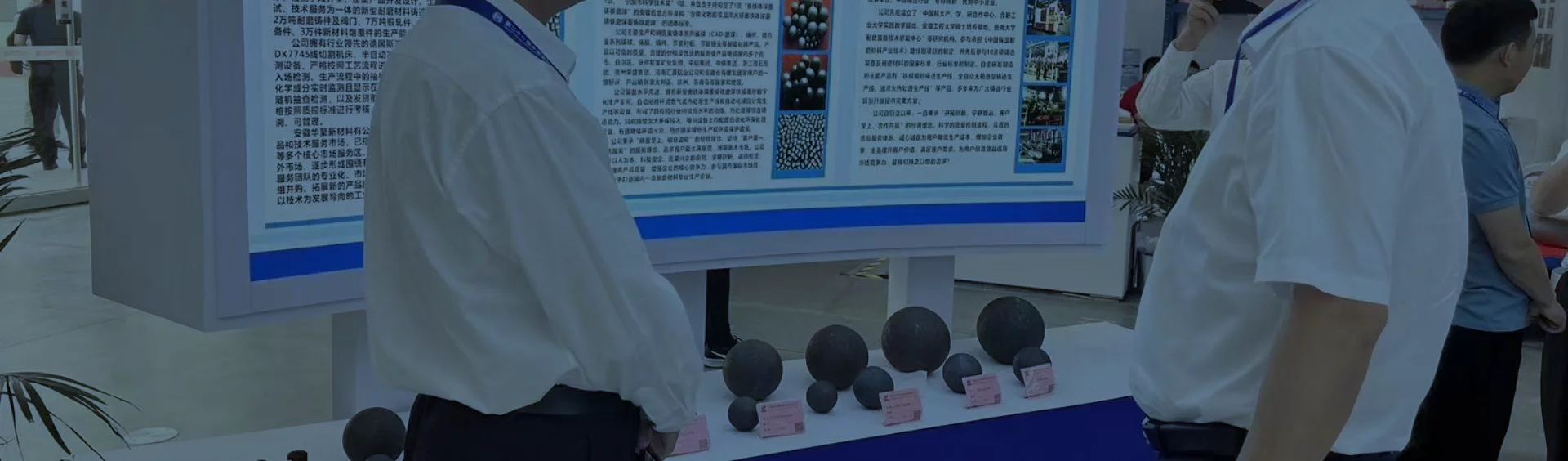
In grinding operations, details matter more than most people expect. One of those details is ball mill media—the steel balls or other grinding bodies inside the mill that directly affect efficiency, product fineness, and even operating costs. After working with different materials and mill setups, it becomes clear that not all media performs the same.
Why Ball Mill Media Matters
At its core, the role of ball mill media for grinding efficiency is simple: break down raw materials into finer particles. But in practice, factors like size distribution, hardness, and wear resistance can significantly influence performance.
For example, using media that’s too soft leads to rapid wear and contamination. On the other hand, overly hard media may reduce wear but can compromise impact efficiency. The goal is balance—consistent grinding with minimal loss.
Key Factors to Consider
1. Material Composition
Most mills use high-chromium or forged steel balls. High-chrome grinding media balls are known for their excellent wear resistance and are widely used in cement and mining industries. Forged balls, meanwhile, offer strong impact toughness.
2. Size and Gradation
A proper mix of sizes ensures better grinding. Larger balls handle coarse crushing, while smaller ones refine the material. A well-designed ball mill media size distribution can improve throughput and reduce energy consumption.
3. Wear Rate and Cost Efficiency
It’s not just about price per ton. What matters more is cost per ton of material processed. Low-quality media might look cheaper upfront but often leads to higher replacement frequency and downtime.
Real-World Application Insights
In cement plants and mineral processing lines, switching to optimized wear-resistant ball mill media can noticeably improve output stability. Operators often report fewer interruptions and more consistent particle size when the media quality is reliable.
This is where experienced manufacturers make a difference. Companies like Ningguo Huafeng, for instance, focus on controlled chemical composition and heat treatment processes to ensure stable performance across batches. It’s not just about producing grinding balls—it’s about maintaining consistency over time.
Practical Tips from the Field
- Regularly check media wear and top up accordingly
- Avoid mixing drastically different media types
- Monitor mill noise and vibration—they often indicate media issues
- Work with suppliers who understand your specific application
FAQ
Q1: How often should ball mill media be replaced?
It depends on usage and material type, but generally, operators monitor wear rates monthly. Using long-lasting ball mill media can extend replacement cycles and reduce downtime.
Q2: What is the best material for ball mill media?
There’s no single answer. High chrome grinding media balls are ideal for high-wear environments, while forged steel balls are better for high-impact conditions.
Q3: Can media size affect grinding efficiency?
Absolutely. An optimized ball mill media size distribution improves both grinding efficiency and final product quality.
Selecting the right ball mill media isn’t just a technical decision—it’s an operational one. With the right combination of material, size, and supplier support, you can improve efficiency without increasing costs. And in a competitive industry, that kind of optimization goes a long way.