


Table of Contents
In the heavy industries of mining, cement production, and power generation, comminution—the physical crushing and grinding of materials—accounts for a massive portion of total operational costs. In fact, milling operations can consume up to 50% of a processing plant’s total energy output. A critical, yet sometimes overlooked, factor in optimizing this highly energy-intensive process is the grinding media wear rate. When facility managers and process engineers aim to cut overhead costs, maximize throughput, and boost corporate sustainability, understanding the profound connection between the wear rate of grinding media and overall energy savings becomes paramount.
The Mechanics of Wear Inside the Ball Mill
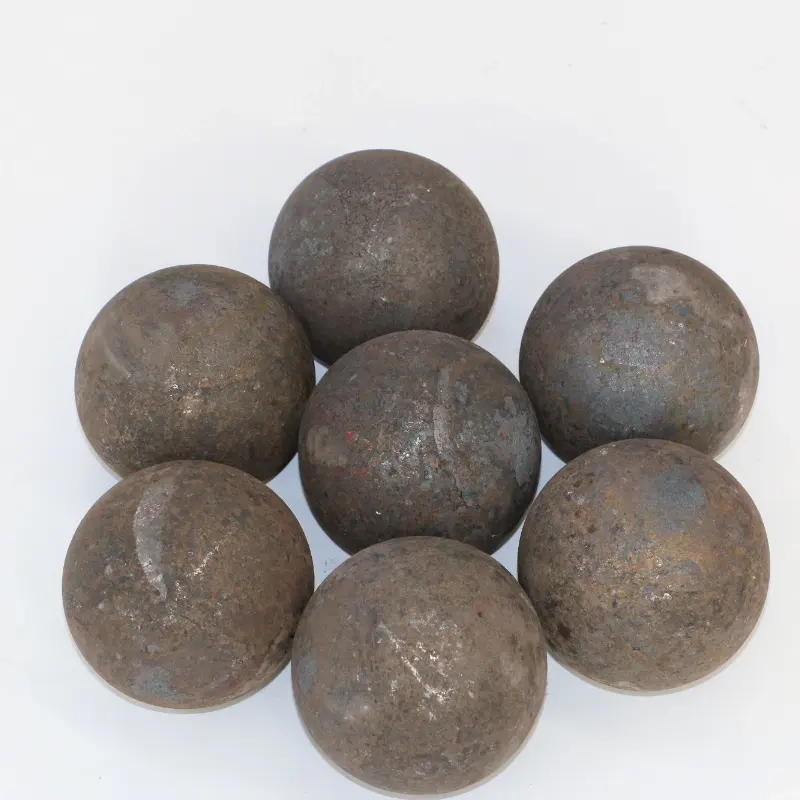
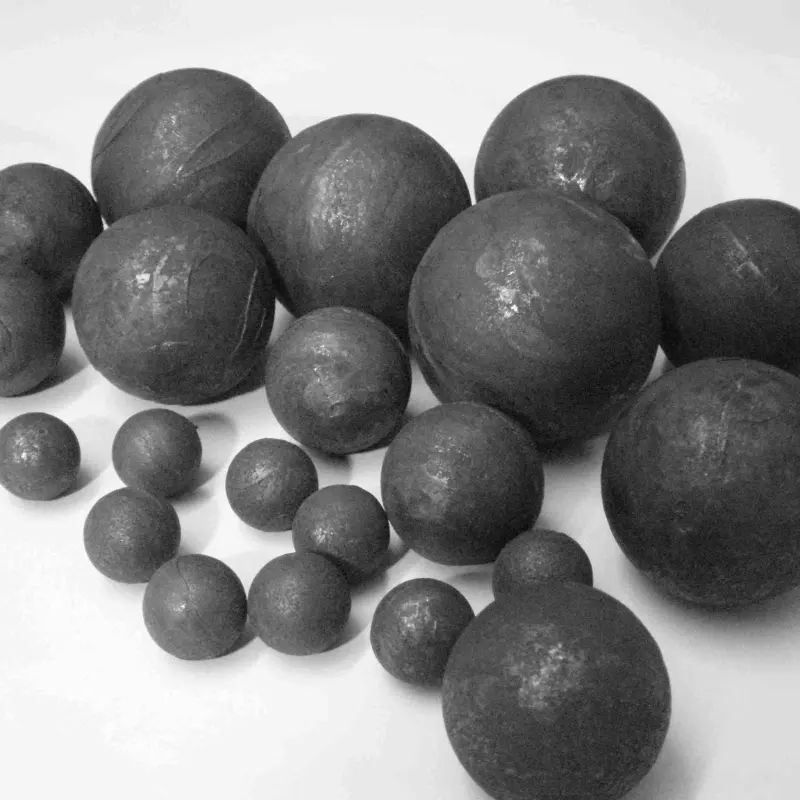
The core of the energy efficiency issue lies deep inside the rotating cylinder of the ball mill. As raw materials, such as tough metal ores or cement clinker, are processed, the grinding media is continuously subjected to immense impact, attrition, and severe abrasive forces. Over time, inferior or improperly heat-treated casting balls undergo rapid physical degradation. They lose their precise spherical shape, becoming flattened, chipped, or irregularly worn.
This physical degradation severely disrupts the optimal grinding efficiency of the entire milling system. In a finely tuned milling environment, the cascading motion of perfectly spherical balls creates specific, high-energy impact zones. When balls lose their mass and geometric integrity, the kinetic energy transfer to the ore becomes scattered and weak. Instead of effectively breaking down the material, the mechanical energy is absorbed as excess heat or wasted in ineffective, sliding friction.
Direct Impact on Power Draw and Electrical Consumption
Consequently, when grinding media degrades prematurely, the mill is forced to run longer—or requires a significantly higher power draw—to achieve the desired particle size distribution (such as a specific P80 target). This direct correlation means that a higher wear rate inevitably leads to heavily increased ball mill power consumption.
The main drive motor must work much harder to compensate for the mechanical inefficiency of a deformed and lightweight media charge. This inefficiency translates directly into wasted electrical energy, inflating monthly utility bills and driving up the cost per ton of processed material. Conversely, casting balls that maintain their exact shape, surface smoothness, and size for extended periods ensure that every kilowatt of electrical power drawn from the grid is efficiently utilized in the actual work of crushing and grinding.
The Metallurgy of Energy Efficiency
To mitigate these substantial energy losses, selecting the right metallurgical composition for the grinding media is a strategic necessity. The industry is continually shifting towards advanced, tailored alloys to solve this wear problem. For instance, high chrome casting balls are specifically engineered with a complex chromium and carbon microscopic matrix to withstand severe abrasive environments, particularly in dry grinding applications.
Their superior uniform hardness, maintained from the surface right through to the core, means they retain their spherical profile far longer than standard forged steel or low-chrome alternatives. By investing in these high-quality, scientifically formulated alloys, plant operators can drastically improve energy efficiency in milling operations. The internal grinding dynamics remain stable, predictable, and highly efficient over a much longer operational cycle, successfully preventing the slow, hidden creep of energy waste associated with rapidly deteriorating media.
Economic and Environmental Synergies
The operational benefits of prioritizing low-wear casting balls extend well beyond immediate electricity savings. A reduced wear rate directly means the mill requires fewer planned stoppages for media top-ups and clean-outs. This significant reduction in downtime leads to increased continuous throughput and lower labor costs associated with maintenance.
Furthermore, in today’s industrial landscape where corporate carbon footprints and greenhouse gas emissions are heavily scrutinized by regulators and investors alike, optimizing the comminution process is widely recognized as one of the most immediate and effective ways to reduce energy consumption in mining and heavy manufacturing. Lower power usage at the mill translates directly to fewer carbon emissions generated by the power plants supplying the electrical grid. This holistic, sustainability-driven approach is the very cornerstone of modern, cost-effective mineral processing, allowing forward-thinking companies to remain fiercely competitive while simultaneously meeting stringent global environmental ESG targets.
A Commitment to Sustainable Grinding Solutions
Recognizing this critical global industry demand for operational efficiency, Ningguo Huafeng has dedicated decades of intensive research to perfecting the metallurgy and specialized heat treatment processes of industrial grinding media. By utilizing advanced automated manufacturing techniques and rigorous, multi-stage quality control protocols, Ningguo Huafeng produces high-performance casting balls that boast an exceptionally low and stable wear rate.
Their products are meticulously designed to maintain their structural integrity and spherical geometry under the harshest industrial conditions. This steadfast reliability directly contributes to substantial and measurable energy savings for their diverse global clientele. Partnering with a proven, technology-driven manufacturer like Ningguo Huafeng ensures that your plant’s milling operations are continuously optimized for both peak mechanical performance and maximum energy conservation.
Conclusion
The wear rate of casting balls must no longer be viewed merely as a routine consumable expense metric; rather, it is a vital, leading indicator of a processing plant’s overall energy efficiency and operational health. By upgrading to premium, low-wear grinding media that retains its intended shape and mass, industrial facilities can unlock significant, long-term energy savings, dramatically reduce their environmental carbon footprint, and enhance their overall market profitability. The path to a greener, more cost-effective operation starts from the very center of the ball mill.
Frequently Asked Questions (FAQs)
How exactly does a high wear rate directly increase a ball mill’s electrical energy consumption?
A: High wear rates cause casting balls to rapidly lose their spherical shape and mass. Irregular, deformed balls are mechanically less efficient at transferring kinetic energy to crush the ore. As a result, the mill operates less efficiently, forcing the drive motor to draw more electrical power and run for longer durations just to achieve the required material fineness.
Are high chrome casting balls always the best choice for achieving energy savings?
A: While high chrome media offer exceptional wear resistance and shape retention (which are key to saving energy), the optimal choice depends on your specific application. They are highly recommended for dry grinding and highly abrasive environments (like cement). For high-impact wet grinding, other specialized alloys might be required. However, matching the right high-quality alloy to your specific ore is always the fastest route to energy efficiency.
How often should we monitor grinding media wear rates to ensure our mill remains energy efficient?
A: It is recommended to continuously track your media consumption (kg/ton) and power draw. Additionally, conducting physical mill audits and inspecting the ball charge size distribution during scheduled maintenance shutdowns—typically every 3 to 6 months—helps identify abnormal wear patterns early, allowing you to correct inefficiencies before they cause significant energy waste.